
Yoga Aerial Yoga: Elevating Mind and Body through Airborne Asanas
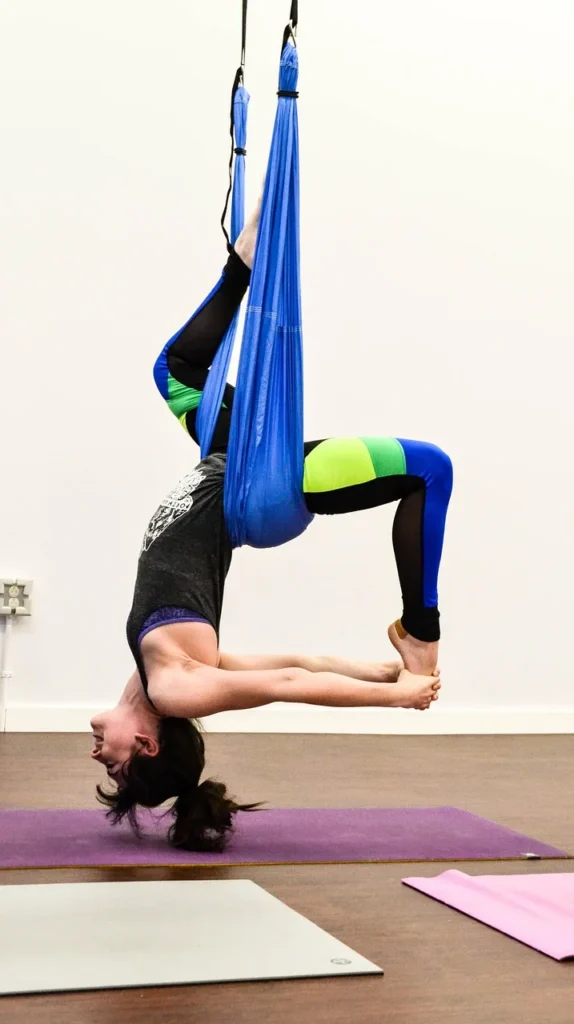
In recent years, yoga aerial yoga has emerged as a fascinating and transformative practice, combining traditional yoga with elements of aerial acrobatics. By practicing yoga while suspended in the air using special hammocks or silks, people are discovering new ways to stretch, strengthen, and center their bodies and minds. Whether you’re a seasoned yogi or a curious beginner, aerial yoga offers a refreshing perspective on the ancient practice of yoga.
What Is Yoga?
This yoga—also known as anti-gravity yoga—is a form of yoga where practitioners perform traditional yoga poses while being supported by a fabric hammock. This hammock is securely attached to the ceiling and allows you to stretch and invert your body without compressing the spine. It combines the discipline of yoga with the dynamic flow of aerial arts, promoting a unique fusion of flexibility, strength, and mindfulness.
Unlike mat-based yoga, aerial yoga lets your body move more freely. You can hang upside down, perform backbends, and execute deep stretches with the help of gravity. This reduces pressure on joints and supports body alignment, making yoga a fun yet effective full-body workout.
A Brief Overview of Traditional Yoga
Before diving deeper into yoga, it’s important to understand the roots of yoga itself. Yoga is an ancient practice that originated in India over 5,000 years ago. It combines physical poses (asanas), breathing exercises (pranayama), and meditation to improve overall health. Today, yoga is widely practiced across the world, with over 300 million people globally engaging in some form of yoga, according to a study by Yoga Alliance and Yoga Journal.
There are various types of yoga, including:
- Hatha Yoga: Focuses on basic postures and breathing techniques.
- Vinyasa Yoga: A dynamic flow linking breath and movement.
- Ashtanga Yoga: A structured and physically demanding sequence.
- Yin Yoga: Gentle, passive stretches held for longer durations.
- Kundalini Yoga: A mix of chanting, breathing, and poses for spiritual awakening.
Understanding Aerial Yoga and Its Equipment
To get started with yoga aerial yoga, you’ll need some essential aerial yoga equipment. The most crucial item is the aerial hammock or silk, usually made from high-density nylon. These are soft yet durable, capable of supporting a person’s weight (often up to 1000 lbs). In addition to the hammock, you’ll need sturdy ceiling hooks or rigging to secure the fabric.
Some classes—like kaya yoga—are hosted in professional studios with high-quality equipment and trained instructors. These settings offer a safe space to explore movements that might seem intimidating at first.
If you’re wondering, what is yoga exactly? It’s more than just floating in the air. yoga allows deeper stretches and helps you perform inversions with less risk. It’s excellent for spinal decompression, improves balance, and boosts blood circulation.
Benefits of Yoga Aerial Yoga
The benefits of yoga yoga go far beyond looking graceful in the air. Here’s how it helps the body and mind:
-
Improved Flexibility and Mobility
Suspension allows your muscles to stretch further without the usual gravitational pull. This enhances flexibility over time.
-
Enhanced Core Strength
Holding yourself in position while suspended engages your core muscles deeply, making it a great abdominal workout.
-
Better Posture and Spinal Health
Aerial yoga can realign the spine and reduce pressure on joints. Inverted poses help lengthen and decompress the spine, often reducing back pain.
-
Boosts Mental Health
Like all yoga, aerial yoga incorporates breathwork and mindfulness. It reduces stress, increases focus, and uplifts your mood.
-
Full-Body Workout
Because it involves the upper body, core, and lower limbs, aerial yoga provides a complete workout, blending strength training and cardio.
-
Increased Confidence
Learning to trust the hammock and your body’s strength builds self-esteem and courage, especially when performing aerial poses.
Types of Aerial Yoga Poses
Just like mat-based yoga, aerial yoga includes various poses that target different body parts and skills:
- Aerial Downward Dog: A variation of the traditional pose but supported by the hammock to relieve wrist tension.
- Floating Savasana: A deeply relaxing posture done while gently swinging in the hammock.
- Inverted Pigeon Pose: Opens the hips while decompressing the spine.
- Aerial Backbends: Improves spine flexibility and opens up the chest.
- Aerial Warrior Pose: Enhances leg strength and balance with hammock support.
Beginners can easily start with simpler poses and gradually progress to more advanced sequences. Always make sure to attend a certified aerial yoga class to learn safely and effectively.
Yoga Dress and What to Wear
Choosing the right yoga dress for aerial yoga is essential. Since the hammock wraps around your body, avoid loose clothing or anything with zippers that can get caught in the fabric. Ideal options include:
- Fitted leggings or yoga pants
- Sleeveless or short-sleeve tops
- Avoid jewelry and accessories
Mens yoga pants and women’s high-waisted leggings provide both support and flexibility. Some practitioners also wear long sleeves to prevent silk burns during inversions or wraps.
A Beautiful Fusion
Aerial silk yoga is often used interchangeably with yoga, but there are subtle differences. In silk yoga, practitioners use long pieces of fabric—silks—to climb, wrap, and suspend themselves. This style leans more toward performance and dance than traditional yoga.
However, the integration of aerial silks into yoga flows creates an artistic and fluid experience. It’s popular in many yoga studios and performance schools, offering a graceful way to explore body movement.
Statistics and Trends
- The global yoga market is expected to reach $66 billion by 2027, driven by growing health awareness and digital yoga classes.
- Over 36 million Americans practice yoga regularly, and yoga is rapidly growing in cities and wellness resorts.
- A 2021 report revealed that yoga practitioners are 20% more likely to report improved mental health and life satisfaction.
Conclusion
Yoga is an innovative, holistic practice that redefines traditional yoga through the magic of movement and suspension. It strengthens the body, calms the mind, and uplifts the spirit—all while hanging in mid-air. From understanding the equipment to exploring its mental and physical benefits, yoga opens a whole new world of possibilities for beginners and seasoned yogis alike.
Whether you attend a kaya yoga class or practice at home, the key is to listen to your body, breathe mindfully, and enjoy the journey. Don’t forget to gear up with the right attire—like mens yoga pants and fitted tops—for a safe and comfortable session. And as always, consult your instructor and doctor if you have any pre-existing conditions.
Yoga is not just about poses; it’s a lifestyle. And with yoga, you’re taking that lifestyle to new heights—literally.

Nice information